Parent's Connect

Enquire Now

Online Registration

Email

December 02, 2025

What Is Holistic Development of Children

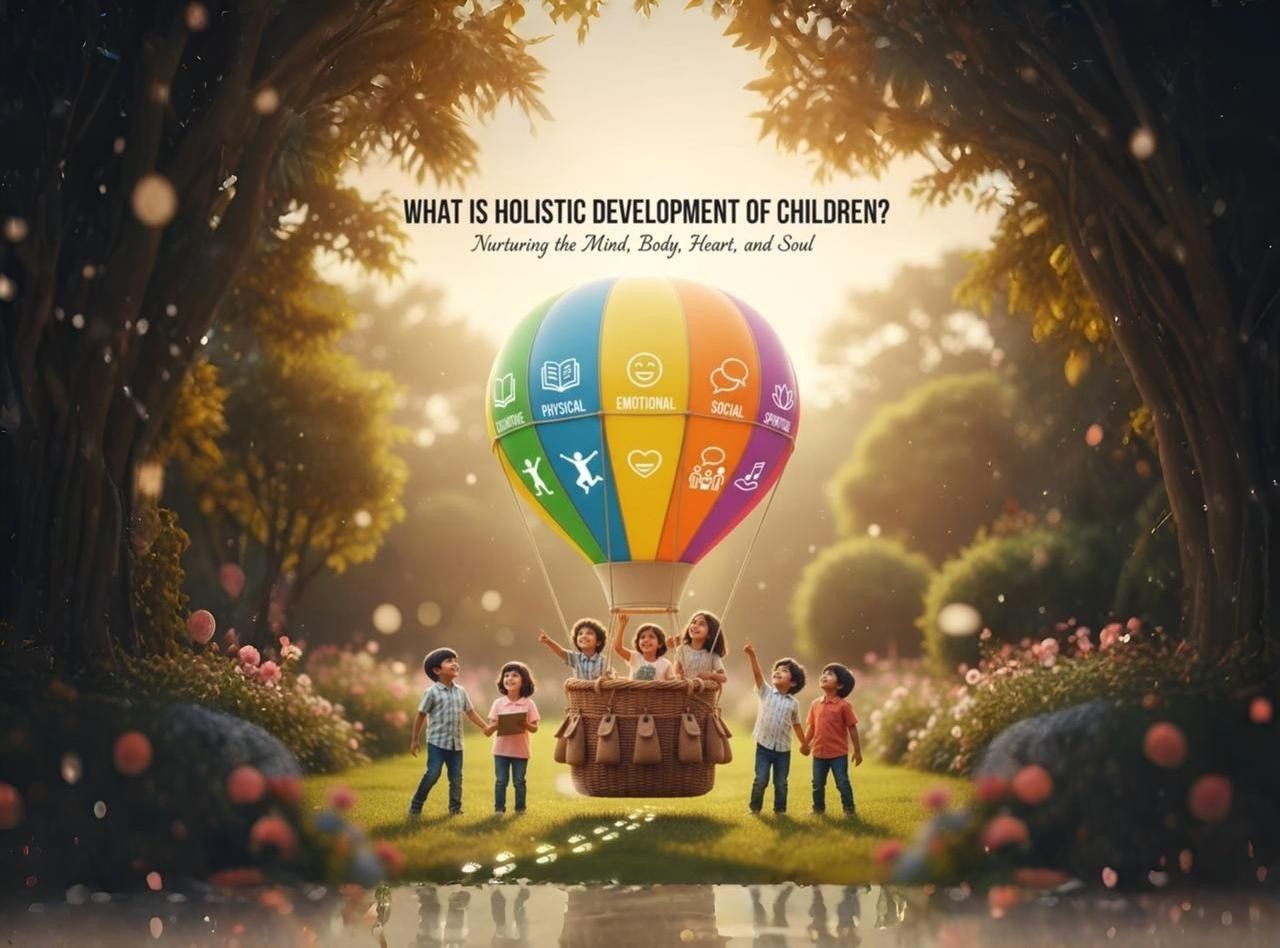
What Is Holistic Development of Children?


When we talk about child development, most people immediately think of academics—marks, homework, subjects, and exams. But children are far more than just students. They have emotions, creativity, physical energy, social needs, and unique talents. This is why modern education systems, including The Modern School, Sector 85, Greater Faridabad, focus increasingly on the holistic development of children.

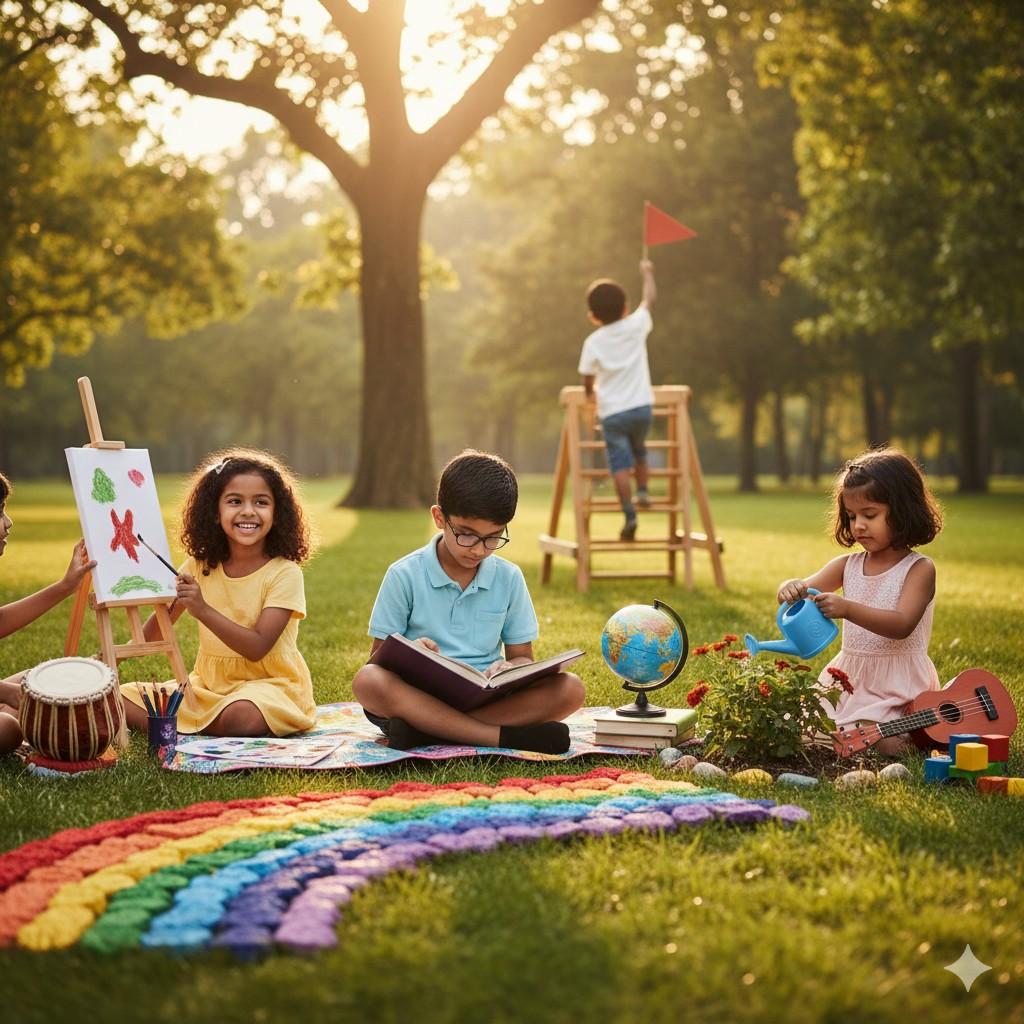
Holistic development means nurturing every area of a child’s growth—physical, intellectual, emotional, social, creative, and moral. Instead of viewing education as just classroom learning, holistic development sees children as whole individuals. In this approach, schools aim to build confident, kind, responsible, and well-balanced human beings who are prepared for real life, not only for examinations.

Also known as holistic development of students, student holistic development, or holistic development in education, this concept ensures a child grows in multiple dimensions. It develops their personality, values, skills, and well-being—helping them flourish both inside and outside the classroom.

Key Aspects of Holistic Development

Holistic development is generally understood through five major areas. These five aspects help shape children into well-rounded individuals.

1. Intellectual Development
This includes thinking ability, problem-solving, logical reasoning, communication skills, and curiosity. Children learn not only to memorize but to question, explore, and understand the “why” behind things.

At institutions like The Modern School, Greater Faridabad, activities such as project-based learning, presentations, STEM labs, and interactive teaching methods strengthen intellectual growth.

2. Physical Development
Physical development focuses on motor skills, strength, stamina, coordination, and health. Regular sports, yoga, dance, outdoor play, and physical education help children stay fit and active.

Schools that value holistic development ensure children get daily opportunities for physical exercise and sportsmanship.

3. Social Development
A socially developed child knows how to communicate, share, express ideas, cooperate, and form healthy relationships. Group work, class discussions, school events, sports teams, and cultural activities help children learn teamwork and respect for diversity.

4. Emotional Development
Emotional growth includes self-awareness, empathy, confidence, and the ability to handle challenges. Schools play a crucial role in helping children express emotions, manage stress, and build resilience. Activities like circle time, value education, and open discussions support emotional well-being.

5. Creative & Moral Development
Creativity allows children to innovate, imagine, and express themselves. Art, music, craft, drama, storytelling, and creative writing help unlock imagination.

Moral development teaches values like kindness, integrity, responsibility, and empathy. Schools often blend academics with value-based education so that children grow with a strong ethical foundation.

These five areas work together to support complete, balanced growth.
Why Holistic Development Matters in Education

Holistic development plays a crucial role in shaping a child’s personality and future. Here are some reasons why it is essential in modern schooling:

1. It Builds Well-Rounded Individuals
Focusing only on academics may produce good exam-takers, but it does not guarantee confident, creative, or socially responsible individuals. Holistic development ensures physical wellness, emotional stability, intellectual growth, and moral responsibility.

2. Strengthens Emotional Intelligence
Children who understand and manage emotions grow into resilient adults. Emotional intelligence helps them handle stress, communicate better, and build healthier relationships.

3. Encourages Creativity and Innovation
In today’s world, creativity matters as much as academic excellence. Holistic learning nurtures imagination, critical thinking, and innovative problem-solving.

4. Promotes Better Physical and Mental Health
Play, sports, yoga, and mindfulness contribute to stronger physical health and mental clarity. They improve focus, reduce stress, and boost overall happiness.

5. Develops Social Skills and Confidence
Children learn cooperation, leadership, empathy, and adaptability through teamwork and social interaction. These skills help them succeed in both personal and professional life.

6. Prepares Children for Real-World Challenges
Real-life success requires resilience, creativity, communication, decision-making, and responsibility. Holistic development prepares children to face future challenges with confidence.

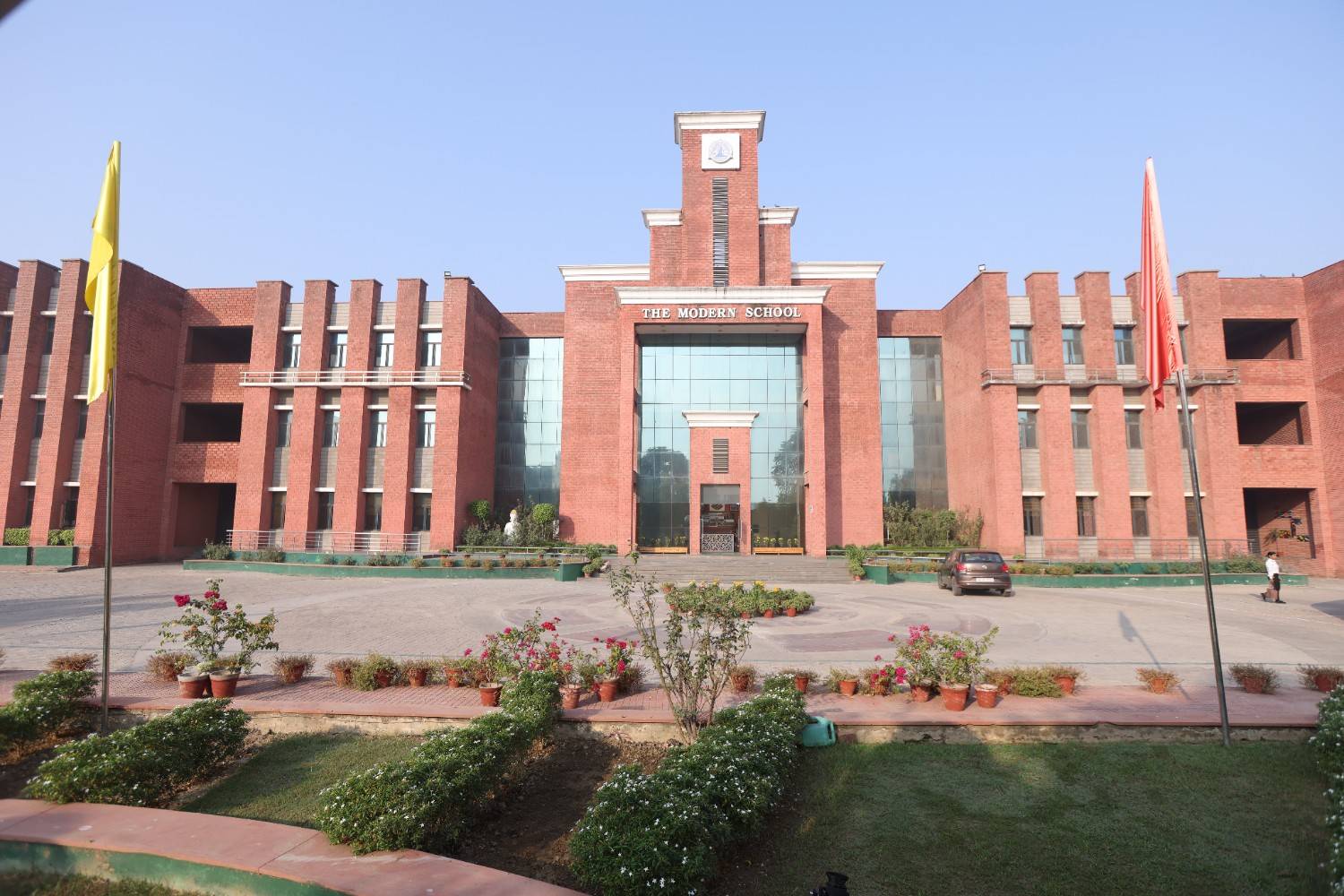
At The Modern School Sector 85, Greater Faridabad, students participate in athletics, performing arts, community service, academic enrichment, and personality development programs—all designed to strengthen these essential life skills.

Examples of Holistic Development

To understand the concept better, here are some real-life examples of holistic development in action:

• Sports and physical training that strengthen health and discipline.
• Arts, music, dance, and theatre that nurture creativity.
• Group projects and collaborative activities that build teamwork and communication.
• Debates, quizzes, and critical thinking exercises that enhance intellectual skills.
• Mindfulness and value-education sessions that build emotional intelligence and moral values.
• Community service activities that encourage empathy and social responsibility.
• Hands-on experiments, STEM labs, and practical learning that develop curiosity and problem-solving.

Schools like The Modern School, Greater Faridabad integrate all these elements to ensure students experience learning beyond textbooks.

Role of Schools in Holistic Development

Schools play a huge role in guiding children toward balanced development. A school environment that promotes respect, curiosity, values, and creativity helps children become well-rounded individuals.

How schools support holistic development:

• Offering a balanced curriculum of academics, sports, and arts.
• Encouraging inquiry-based learning and practical knowledge.
• Providing opportunities for leadership through houses, clubs, and competitions.
• Ensuring emotional support and mental well-being through counsellors and mentors.
• Integrating technology and modern teaching tools.
• Encouraging participation in cultural and community service activities.
• Supporting individual talents and helping students discover their strengths.

The Modern School, Sector 85, Greater Faridabad follows a progressive educational approach that blends academics with sports, co-curriculars, experiential learning, and value-based education—ensuring true holistic growth.

FAQs on Holistic Development of Children


1. What is the holistic development of children?
Holistic development means nurturing all aspects of a child’s growth—physical, emotional, social, intellectual, creative, and moral. It focuses on helping children become well-balanced individuals, not just academically successful students.

2. What are the 5 aspects of holistic development?
The five major aspects are:

• Physical development
• Intellectual (cognitive) development
• Social development
• Emotional development
• Creative and moral development

3. What are some examples of holistic development?
Examples include sports, arts, music, teamwork activities, problem-solving tasks, mindfulness sessions, community service, storytelling, creative projects, and value-education activities.

4. Why is holistic education important?
Holistic education helps children grow into confident, emotionally healthy, socially responsible, and creative individuals. It prepares them for life challenges, builds resilience, and nurtures essential life skills beyond academics.

Conclusion

Holistic development is not just a teaching approach—it is a vision for raising confident, capable, and compassionate human beings. In today’s fast-changing world, children need more than academic knowledge. They need emotional strength, creativity, problem-solving skills, values, and social awareness.

Schools like The Modern School Sector 85, Greater Faridabad, play an essential role in building this foundation. By integrating academics with sports, arts, leadership, values, and experiential learning, the school ensures that every child grows into a well-rounded individual prepared for the future.

Contact Us